Dr. Shin Myungju, Pain Medicine Specialist
Why Does Your Pain
Keep Coming Back?
The cause isn’t where it hurts.
Circulation Therapy treats the movement pattern behind it.
No Korean phone or Naver account needed. Open 24/7
Prefer Naver? Book thereEvening and Saturday hours available
Why Yonsei Shinmyung Is Different
Know pain, know gain.
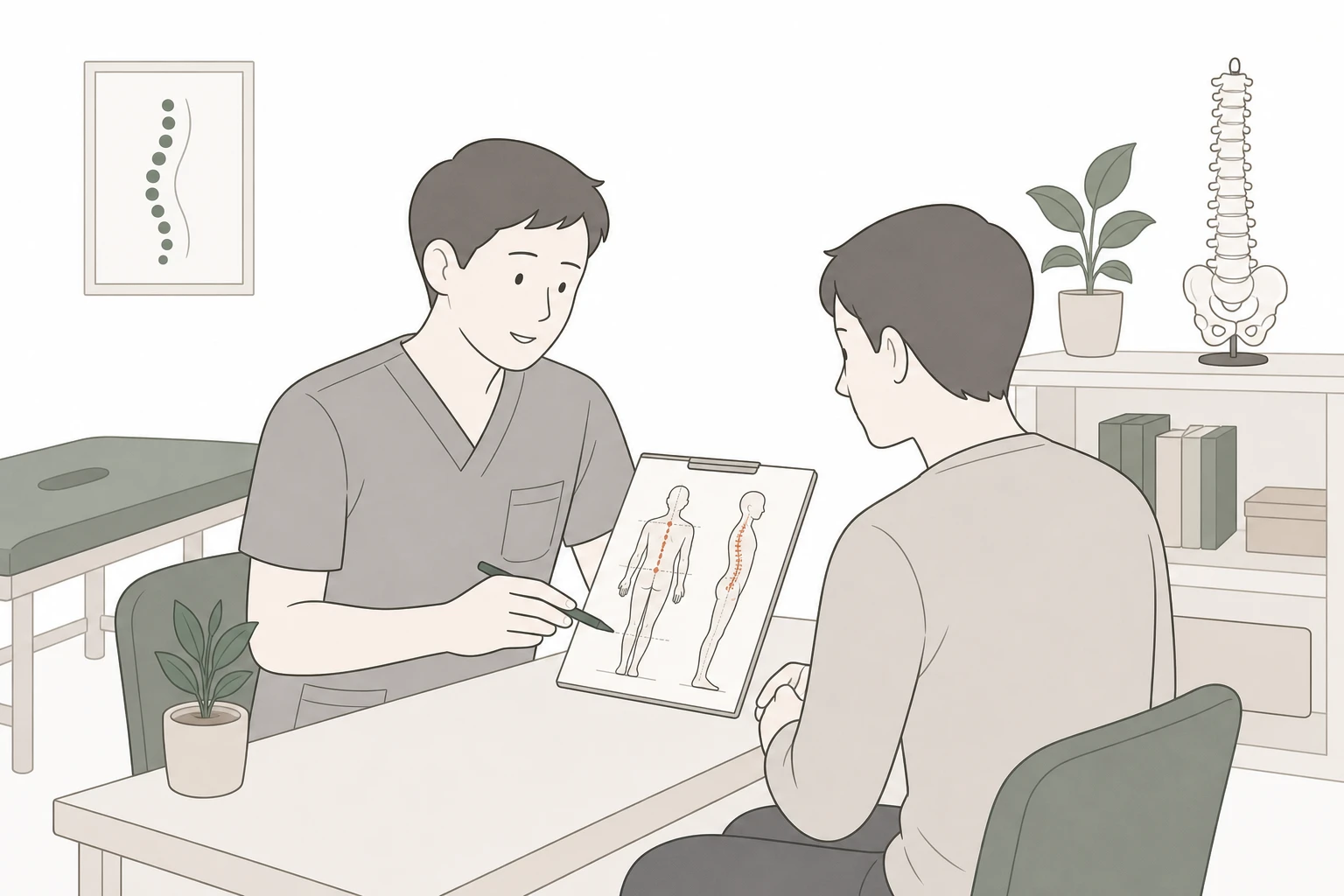
We Find the Real Cause
Not just where it hurts, but what is actually causing the pain.
Why a gait analysisWe Focus on Circulation
Reduce the pain, reawaken movement, and carry it through to daily life.
Why does it keep coming backSteroids? We Don’t Use Them
We look for the underlying cause and treat it, so treatment can work without steroids.
Why no steroidsPain still coming back?
Your walk shows what’s causing it
Included as part of Circulation PT treatment
Gait analysisTreatment Areas
Where does it hurt?
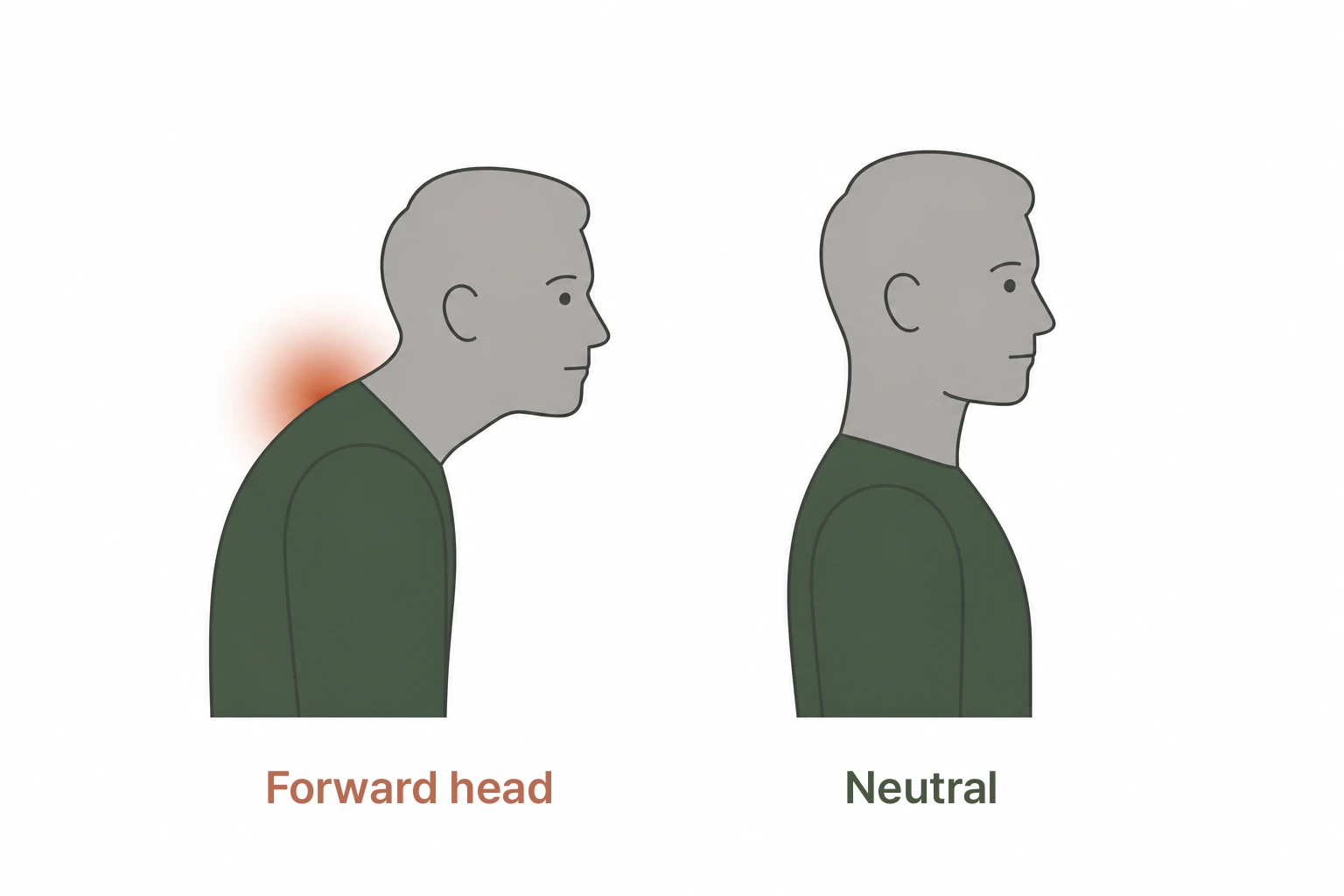
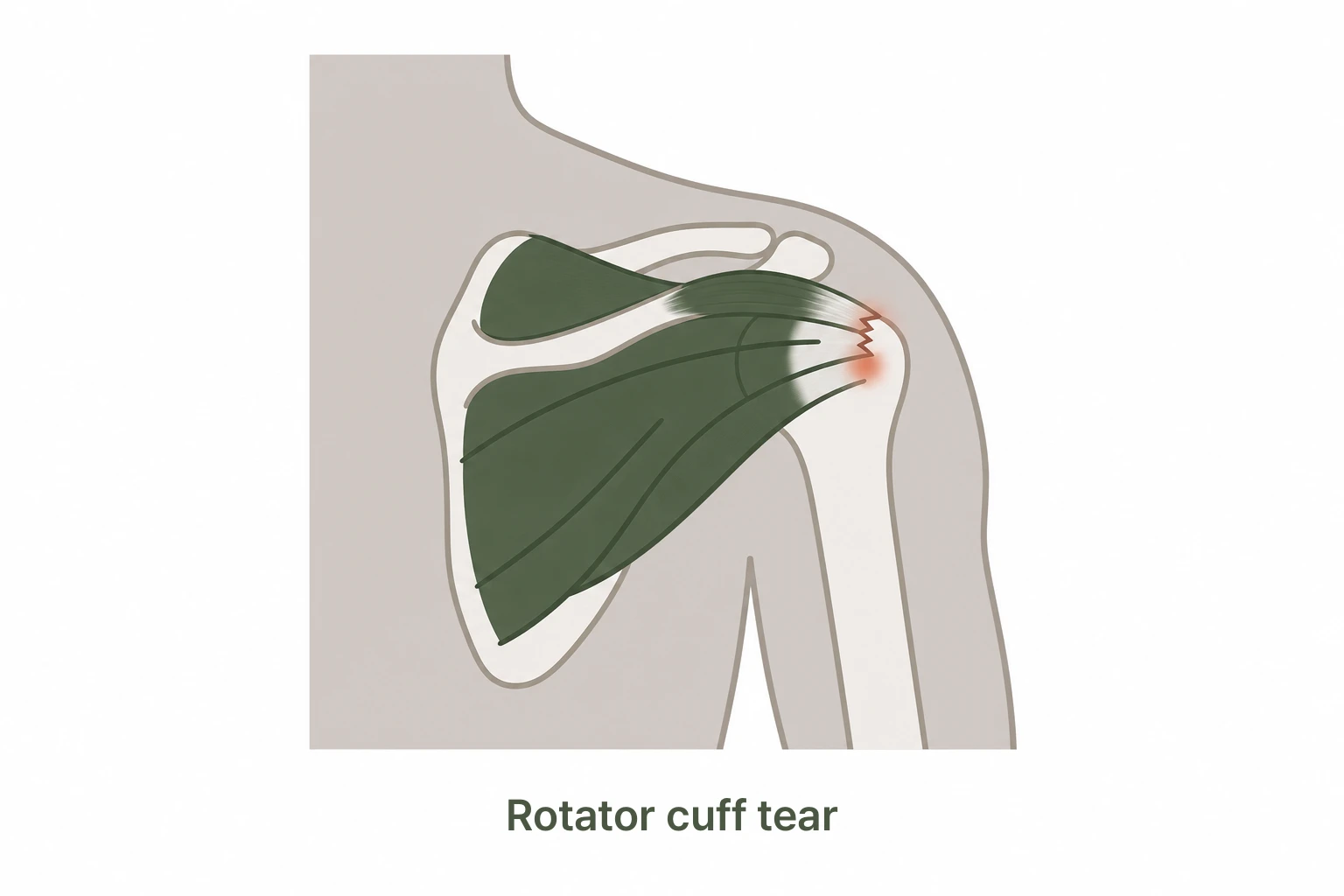
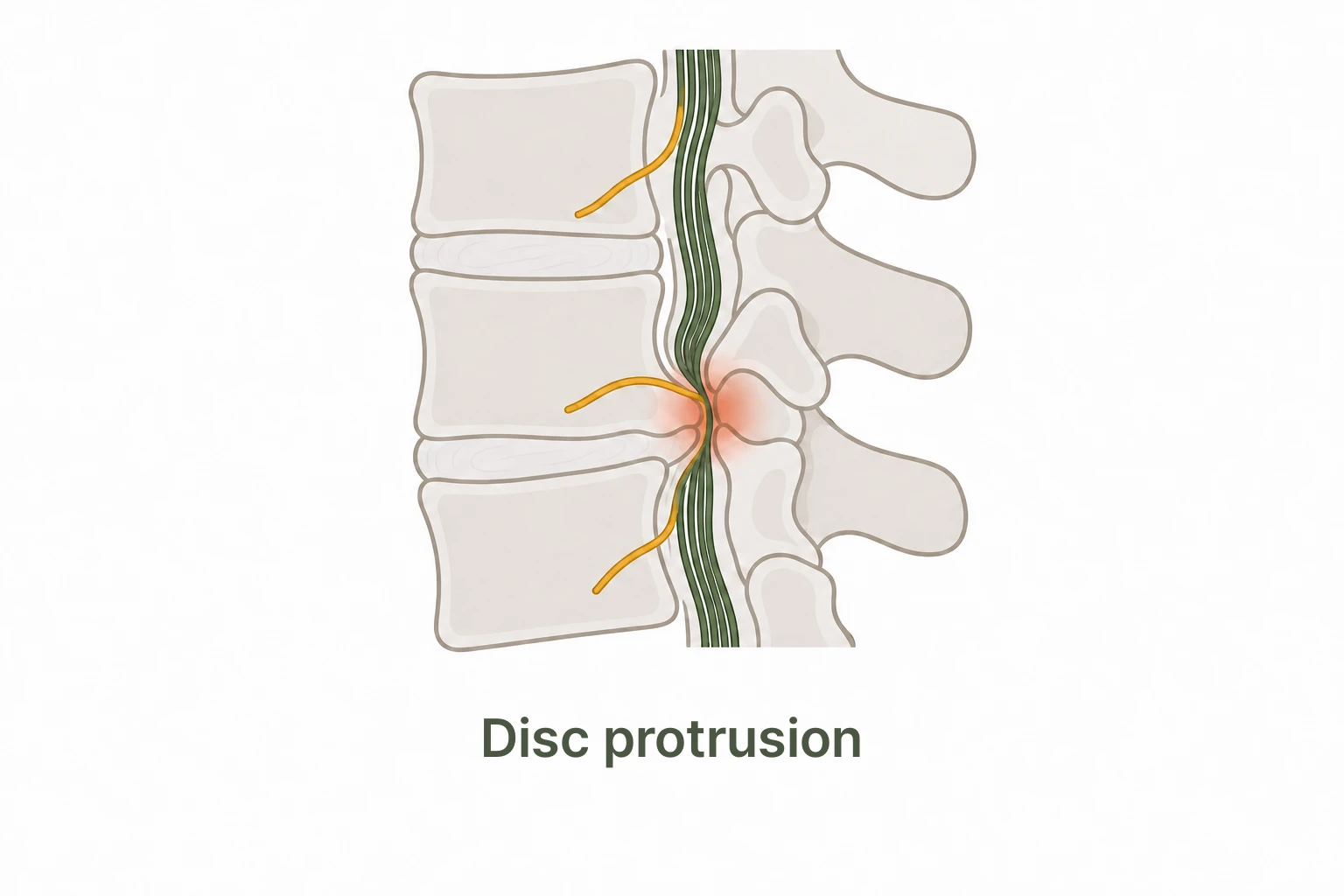
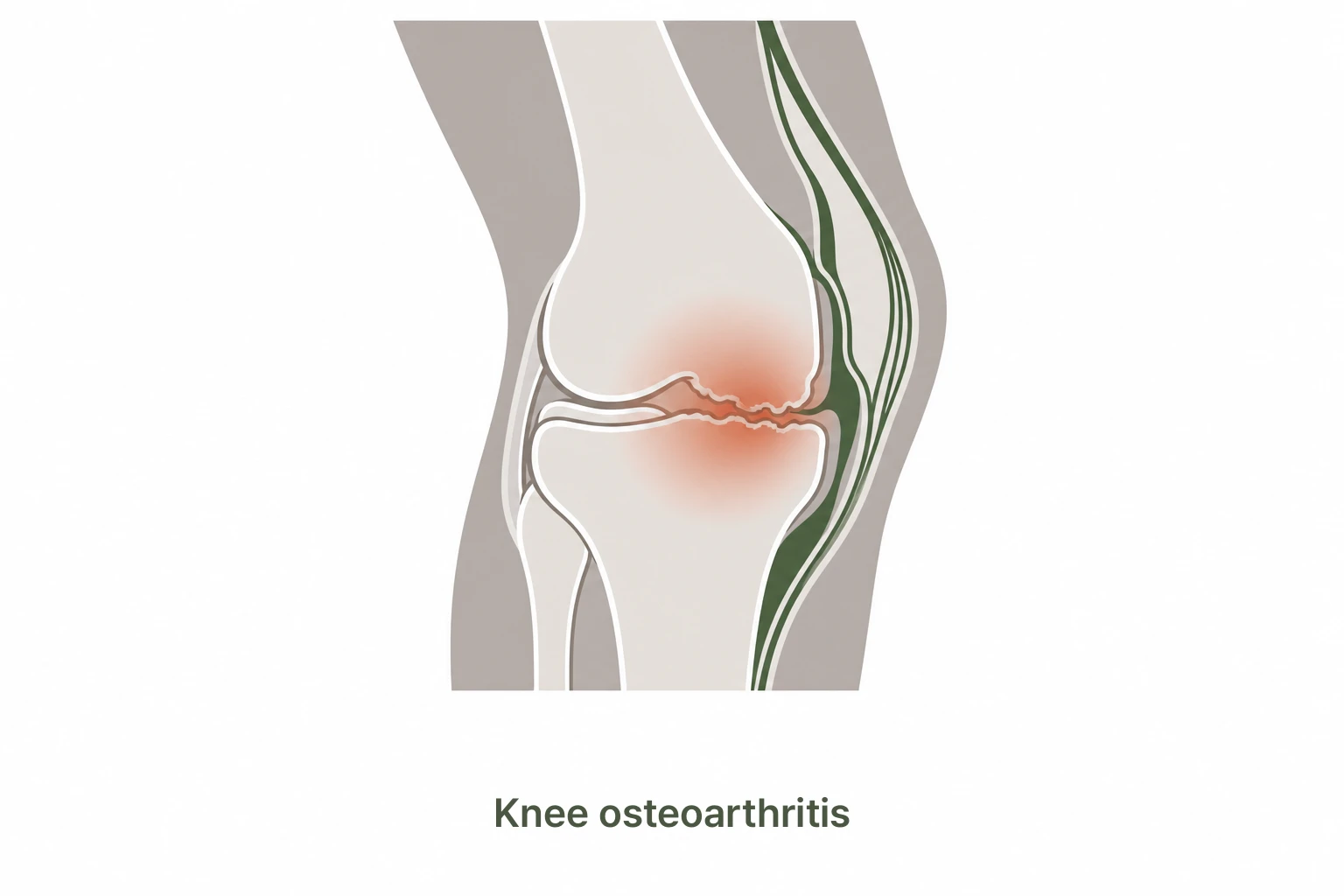
The Circulation Treatment System
From pain relief to lowering the risk of recurrence, completed in 3 stages
We bring the swelling down
Circulation HD
Release adhesions · Improve blood flow
Reduce pain
We wake the muscles up
Circulation PT
Rebuild strength · Restore range of motion
Normalize function
We make the movement stick
Movement Correction
Posture correction · Movement patterns
Lower the risk of recurrence
Signature Treatments
Three core procedures, delivered together in one session
Circulation HD
Ultrasound-guided precision injection
- Releases adhesions and compression with the pressure of saline solution
- A steroid-free procedure
Circulation Combo
Precision injection + one-on-one physiotherapy + movement correction, all at once
- All three stages (bring the swelling down, wake the muscles up, make the movement stick) in one session
- Recommended for most chronic and recurring pain
- No steroids used
Circulation PT
One-on-one physiotherapy + movement correction
- Changes the very pattern that creates the pain
- Delivered one-on-one
Frequently Asked Questions
The questions we hear most before a visit
Q. Do I have to get a steroid injection?
At Yonsei Shinmyung, we use saline solution instead of steroid injections. When the cause is identified and treated, many patients do well without steroids.
Learn MoreQ. How long does treatment take?
It varies by condition and severity, but we typically check how you are responding after 3 to 4 visits.
Learn MoreQ. Why does it keep coming back?
Because only the symptoms are treated while the cause is left in place. Circulation treatment also works on the cause, with the goal of lowering the risk of recurrence.
Learn MoreClinic Hours
| Weekdays | 09:30-19:30 |
| Saturday | 09:30-13:30 |
| Lunch 13:00-14:00, closed Sundays and holidays Last check-in 30 minutes before closing |
|
Weekday evening hours
Circulation PT until 20:00 (by appointment)
Directions
413 Hakdong-ro, Gangnam-gu, Seoul
Cheongdam Building, 3rd Floor
3-min walk from Gangnam-gu Office Station (Line 7) Exit 4
Building with the Lee Seon-ok Cheongdam Rice Cake Shop on the 1st floor
Valet parking available (cost covered with treatment)
Don’t Put Up With the Pain Any Longer
We assess what’s driving your pain and plan treatment around it